
What Wimbledon 2026 Can Teach Us About Sustainable Fitness Habits

Wimbledon 2026 runs from 29 June to 12 July, bringing two weeks of elite tennis, discipline and recovery into the summer spotlight. But for most people, the biggest lesson is not to train like a professional athlete. It is to build sustainable fitness habits that can actually fit around work, family, social plans and real life.
The best routines are not usually the most extreme. They are the ones you can repeat consistently, recover from properly and keep going with after the summer motivation fades.

What Wimbledon Really Teaches Us About Fitness Consistency
Elite tennis players succeed because of consistency, not one perfect session.
They practise regularly, recover carefully, adapt when needed and keep showing up. That same principle applies to everyday fitness. You do not need hours in the gym or a strict routine that takes over your life. You need a realistic fitness routine that you can repeat most weeks.
For many adults, that might mean:
Two structured workouts each week
A short walk during lunch breaks
Strength training that supports daily movement
Stretching or mobility work when energy is lower
Accountability from a trainer, friend or routine
The NHS physical activity guidelines recommend adults aim for regular movement alongside strength-based exercise during the week. That becomes much more realistic when fitness is approached consistently rather than aggressively.
Building Exercise Around Real Life
One reason people struggle with fitness routines is that the plan does not fit their lifestyle.
Trying to suddenly train every day, completely change eating habits or follow highly restrictive routines often becomes difficult to maintain. A more balanced approach tends to work better over time.
That may mean:
Training two or three times a week instead of daily
Choosing shorter sessions during busy periods
Exercising at home when schedules are tight
Adjusting routines around holidays or work commitments
Focusing on progress rather than perfection
Many people find that fitness becomes more sustainable when it feels flexible rather than rigid.
Recovery Is Part Of Staying Active Long Term
Elite athletes spend just as much time focusing on recovery as they do training. While most people are not competing professionally, recovery still plays an important role in maintaining a healthy routine.
That can include:
Rest days
Sleep and recovery
Mobility work
Lower-intensity movement
Managing stress levels
Trying to push through exhaustion every week can make exercise feel harder to continue. In many cases, consistency improves when people allow space for recovery instead of treating every workout as an all-or-nothing effort.
Short Workouts Can Still Be Effective
A common misconception is that workouts need to be long to make a difference.
For busy adults, shorter sessions are often easier to repeat consistently, which can make them more effective over time. Structured sessions lasting 30 minutes can still support:
Strength
Energy levels
Fitness
Confidence
Routine building
This is one reason many people prefer flexible options like 30-minute PT sessions, particularly when balancing work, commuting and family responsibilities.

Why Accountability Often Makes The Difference
One of the hardest parts of exercise is not knowing what to do. It is continuing when life becomes busy.
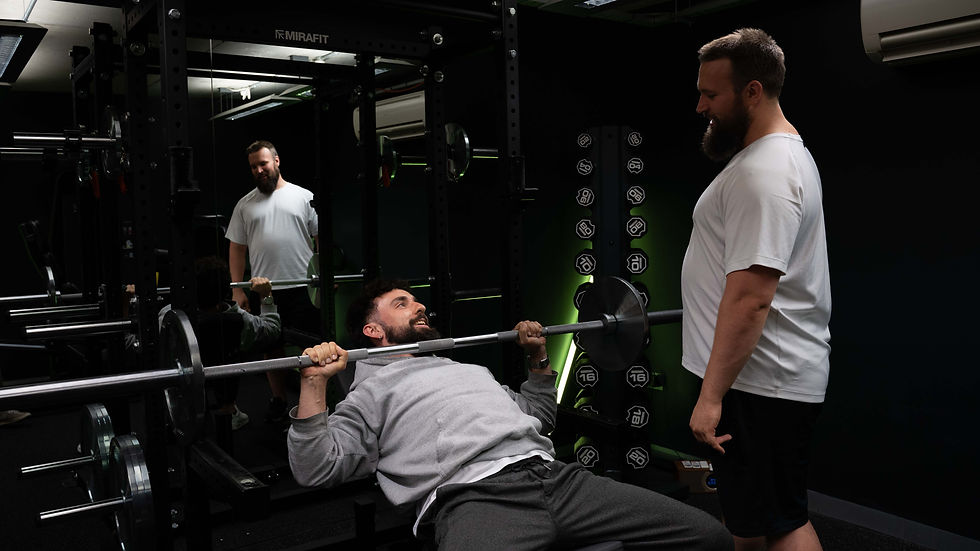
Having accountability can help remove some of that friction. For some people, that means training with a friend. For others, it means booking sessions into the calendar each week or following a structured plan.
Support can also help people avoid common mistakes, such as:
Doing too much too soon
Skipping recovery
Following unrealistic programmes
Giving up after missing a week
Comparing progress to other people
A more supportive approach often helps exercise feel less intimidating and easier to maintain.
Fitness Does Not Need To Be Extreme To Be Valuable
Many people assume fitness only “counts” if it is intense, exhausting or highly disciplined. In reality, healthier routines are often built through smaller habits repeated consistently.
That could include:
Walking more regularly
Strength training twice a week
Improving mobility
Training at home
Following a structured beginner routine
For people looking for more flexibility, at-home personal training can provide a more manageable way to stay active without adding extra travel or gym pressure.
What Everyday Adults Can Learn From Wimbledon Athletes
Professional tennis players rely on preparation, routine and long-term discipline. They do not expect instant results after one session, and most sustainable fitness journeys work the same way.
The most useful lesson is that progress usually comes from:
Repetition
Patience
Gradual improvement
Recovery
Consistency over time
That approach is often more realistic and more sustainable than chasing short-term transformation goals.
FAQs About Staying Consistent With Exercise
How can I make exercise more sustainable?
Building a routine around your actual schedule, energy levels and lifestyle usually makes fitness easier to maintain long term.
Are short workouts worth doing?
Yes. Shorter sessions can still improve fitness, strength and consistency when performed regularly.
Why do people struggle to stay consistent?
Common reasons include unrealistic expectations, lack of structure, busy schedules and routines that feel too restrictive.
What is a good starting point for beginners?
Most beginners benefit from simple, manageable routines that focus on movement quality, gradual progression and consistency.
Can personal training help with accountability?
For many people, structured coaching and regular sessions make it easier to stay consistent and build confidence over time.
Creating A Routine That Lasts Beyond Summer
Events like Wimbledon can provide useful inspiration, but long-term progress usually comes from routines that feel manageable throughout the entire year.
Whether that means shorter workouts, more flexibility or additional accountability, sustainable habits are often the ones that fit naturally around everyday life.
For people looking to build a more realistic approach to exercise, Insider PT offers supportive personal training services designed around consistency, structure and long-term wellbeing.


Comments