
The 5-Phase Approach To 60 Minute Personal Training Sessions

Many people considering personal training assume a 60-minute session is simply an hour of exercise. In reality, the most effective sessions follow a structured approach designed to help you move better, train safely and make consistent progress over time.
A good session should leave you feeling like every minute had a purpose. Rather than rushing from one exercise to the next, each phase builds on the last, helping you prepare properly, train effectively and recover well enough to come back stronger next time.
At Insider PT, our 60-minute sessions are designed around a five-phase framework that supports sustainable fitness. Whether your goal is losing weight, building strength, improving fitness or simply creating healthier habits, this structure helps ensure your training works with your lifestyle rather than against it.

The Short Answer
A structured 60-minute personal training session is typically divided into five phases:
Warm-up
Movement preparation
Strength training
Conditioning
Recovery and review
Each stage serves a specific purpose. Together, they help improve performance, reduce injury risk and make training more sustainable in the long term.
Why A 60-Minute Session Works So Well
One of the biggest advantages of a 60-minute personal training session is balance.
Shorter workouts can be highly effective, but having a full hour allows enough time to prepare properly, focus on technique, complete meaningful training and finish with an appropriate recovery period.
For many people, this creates a more enjoyable and productive experience because there is time for:
Structured coaching and feedback
Strength and fitness development
Movement quality and injury prevention
Recovery and progression planning
Accountability and consistency
Rather than measuring success by how exhausted you feel afterwards, a well-planned session focuses on making steady improvements that can be maintained week after week.
Phase 1: Preparing Your Body To Train
Every effective training session starts with a warm-up.
This phase prepares both your body and mind for the work ahead by increasing blood flow, raising your core temperature and improving joint mobility.
A warm-up may include:
Light cardiovascular activity
Dynamic stretches
Mobility exercises
Muscle activation drills
Practice movements related to the main workout
For example, someone focusing on lower-body strength may spend time improving hip mobility and activating key muscle groups before lifting. A runner may complete movement drills designed to improve efficiency and prepare the body for higher-intensity work, similar to the methods used in our personal training for runners.
Although many people are tempted to rush through the warm-up, it often sets the tone for the entire session.
Phase 2: Movement Preparation And Technique Work
This is often the most overlooked stage of training, but it can have a significant impact on long-term results.
Before increasing intensity, your trainer will assess how you are moving on that particular day and make adjustments where necessary. Recovery, sleep, stress and daily activity levels can all affect how your body performs.
During this phase, you may:
Practise movement patterns
Refine lifting technique
Improve posture and positioning
Address mobility restrictions
Build confidence before progressing
Many people believe progress comes from pushing harder every session. In reality, personalised personal training plans are often more effective because they adapt to how you're moving and recovering.

Phase 3: Building Strength And Confidence
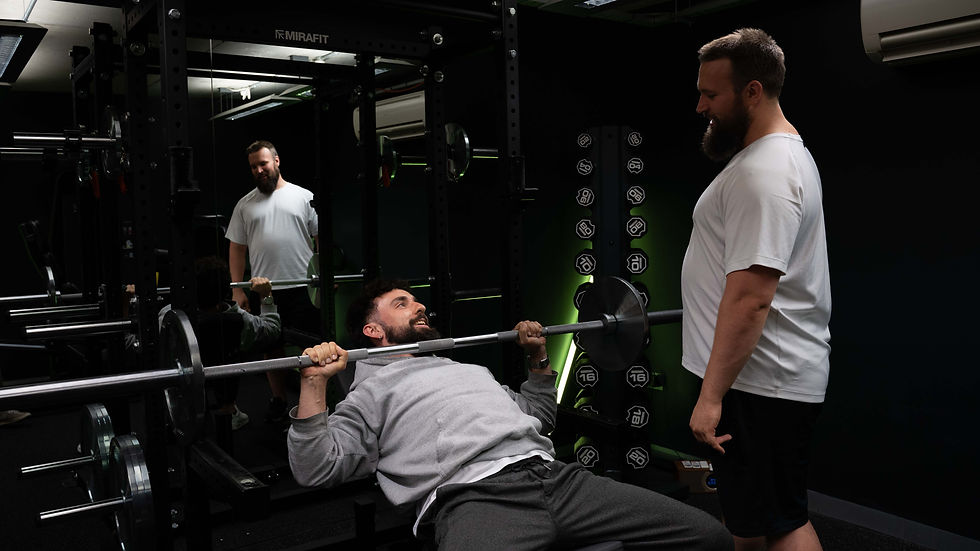
The third phase is typically where the main strength work takes place.
Depending on your goals, this could involve resistance training, free weights, bodyweight exercises or functional movement patterns designed to improve everyday performance.
Strength training can help:
Build lean muscle
Improve everyday movement
Increase joint stability
Support posture and mobility
Enhance athletic performance
For beginners, this phase often focuses on learning movements and building confidence. Those looking for a shorter format may also benefit from our 30-minute personal training sessions.
One of the biggest misconceptions about personal training is that every session needs to leave you exhausted. In reality, consistency almost always beats intensity when it comes to achieving lasting results.
Phase 4: Improving Fitness And Work Capacity
After the strength section, the session may move into conditioning work.
This phase focuses on improving cardiovascular fitness, stamina and overall work capacity.
Depending on the individual, conditioning could include:
Circuit training
Interval-based workouts
Running drills
Functional fitness exercises
Short conditioning finishers
The right amount of conditioning depends on your goals. Someone training for improved running performance will need a different approach to someone looking to lose weight or improve general fitness.
The key is finding a level that challenges you without negatively affecting recovery.
Phase 5: Recovery, Reflection And Planning Ahead
Recovery is often the most neglected part of exercise, yet it plays a vital role in long-term progress.
The final phase allows your body to gradually return to a resting state while giving you an opportunity to reflect on the session and prepare for the next one.
This stage may include:
Cool-down exercises
Mobility work
Stretching
Breathing exercises
Session review and feedback
For many clients, this short discussion can be just as valuable as the workout itself.
Understanding what went well, what needs improving and what comes next creates a sense of direction and accountability.

Why No Two Sessions Should Look Exactly The Same
A common mistake in fitness is assuming every workout should follow an identical routine.
While the overall structure may stay consistent, the exercises, intensity and focus should adapt based on:
Training experience
Recovery levels
Mobility and movement quality
Lifestyle demands
Personal goals
This flexibility allows training to remain effective, realistic and sustainable, particularly for busy professionals and parents who may not have perfect conditions every week.
Common Mistakes People Make During Longer Workouts
Having more time available does not automatically make a workout more effective.
Some of the most common mistakes include:
Skipping the warm-up
Doing too many exercises
Chasing fatigue rather than progress
Neglecting recovery
Training at maximum intensity every session
The most successful fitness journeys are rarely built on extremes. They are built on consistency, sensible progression and showing up regularly.
Who Benefits Most From A 60-Minute Session?
A structured 60-minute session can benefit a wide range of people, including:
Beginners looking for guidance and confidence
Busy professionals wanting accountability
Individuals working towards weight-loss goals
Clients building strength and mobility
Recreational runners and athletes
Anyone wanting a more personalised approach to exercise
For many people, having extra time with a trainer creates a better learning experience and removes much of the guesswork from exercise. It's particularly valuable for those who want accountability but may not always be able to attend a gym, making at-home personal training another popular option.
Frequently Asked Questions
Is A 60-Minute Personal Training Session Better Than A 30-Minute Session?
Not necessarily. Both can be effective. A 60-minute session simply provides more time for coaching, strength work, conditioning and recovery.
Will Every Session Follow Exactly The Same Structure?
No. While the five-phase framework remains consistent, the exercises and focus should adapt to your goals and progress.
Can Beginners Train For A Full Hour?
Yes. A good trainer will adjust the pace and intensity to suit your current fitness level and experience.
Should I Feel Exhausted At The End of Every Session?
No. Effective training is about progression, not exhaustion. Some sessions will feel challenging, while others may focus more on movement quality, technique or recovery.
What Is The Most Important Phase Of The Session?
Each phase serves a purpose. Skipping preparation or recovery can reduce the effectiveness of the main workout.
Making Every Minute Count
The best personal training sessions are not about doing more. They are about doing the right things at the right time.
A structured 60-minute session provides the opportunity to improve fitness, build strength and develop sustainable habits without feeling overwhelmed.
If you're looking for a structured approach to fitness that fits around real life, explore our 60-Minute Personal Training Sessions, learn more About Us, or contact us to discuss your goals.


Comments