
Why Motivation Fails (And What Actually Keeps People Exercising Long-Term)

Most people believe they need more motivation to exercise consistently.
In reality, motivation is often the least reliable part of any fitness journey.
Some days you feel energised and ready to train. Other days, work deadlines, family commitments and everyday life make exercise feel impossible. The people who stay active for years are rarely the most motivated. Instead, they've built routines, habits and support systems that help them stay consistent even when motivation disappears.
If you've ever started a fitness programme full of enthusiasm only to lose momentum a few weeks later, you're not alone. Understanding why motivation fades is often the first step towards creating a routine that actually lasts.
The Short Answer
Motivation is temporary.
Long-term fitness is built through habits, accountability, consistency and realistic expectations rather than relying on willpower alone.
The people who exercise regularly don't necessarily feel motivated every day. They've simply created systems that make it easier to show up, even when they don't feel like it.
Why Motivation Feels So Powerful At The Beginning
When people decide they want to improve their health or fitness, motivation is usually at its highest.
This might happen after:
Booking a holiday
Reaching a milestone birthday
Receiving health advice from a doctor
Feeling frustrated with low energy levels
Seeing a photograph that sparks a desire for change
Starting a new year
These moments create emotional momentum.
The problem is that motivation is driven by emotion, and emotions naturally fluctuate. Once daily life settles back into its normal routine, that initial burst of enthusiasm often fades.
This isn't failure. It's completely normal.
The mistake many people make is assuming they need to feel motivated every day in order to succeed.
The Real Reason Most Exercise Plans Fail
Many fitness plans fail because they're built around short-term enthusiasm rather than long-term sustainability.
People often create routines that sound impressive but are difficult to maintain in the real world.
Common examples include:
Exercising six or seven days per week immediately
Following highly restrictive diets
Training for long periods every day
Expecting rapid transformations
Trying to completely change their lifestyle overnight
While these approaches may work temporarily, they rarely fit around careers, families, social commitments and everyday responsibilities.
Long-term success usually comes from building a routine that works alongside your lifestyle.
This is one reason why personalised coaching can be so effective. Rather than following a generic programme, you're working towards goals that fit your schedule, ability and lifestyle.
Consistency Matters More Than Perfection
One of the biggest barriers to long-term fitness is all-or-nothing thinking.
Many people believe:
Missing one workout means they've failed
A bad week ruins all progress
Every session must be intense
They need perfect nutrition to see results
This mindset creates unnecessary pressure and often causes people to give up entirely.
In reality, consistency almost always beats perfection.
Someone who exercises two or three times per week for a year is likely to achieve more than someone who trains intensely for a month and then stops altogether.
Progress isn't built through perfect weeks. It's built through showing up consistently over time.

What Actually Helps People Stay Active Long-Term?
While everyone's circumstances are different, several habits appear repeatedly among people who maintain their fitness for years rather than weeks.
Creating A Routine You Can Actually Maintain
The most effective fitness plan is often the one you can stick to.
Instead of asking:
"What's the fastest way to get results?"
Try asking:
"What routine could I realistically maintain six months from now?"
For some people, that may be three structured workouts per week.
For others, it could be a combination of walking, strength training and occasional fitness classes.
The goal isn't perfection.
The goal is sustainability.
Scheduling Exercise Like Any Other Commitment
Many people try to fit exercise around everything else.
People who stay consistent often do the opposite.
They schedule exercise into their diary in the same way they would a meeting, appointment or school run.
Once a session has a place in your calendar, you no longer need to make a daily decision about whether you'll exercise.
Reducing Barriers To Exercise
Starting is often the hardest part.
Simple changes can make exercise much easier to maintain:
Laying out workout clothes the night before
Booking sessions in advance
Exercising at the same time each week
Having a clear plan before you start
Training somewhere convenient
For many busy professionals and parents, convenience is one of the biggest factors in staying consistent. This is why services such as Home Sessions allow people to train without losing time travelling to and from a gym.
Why Accountability Makes Such A Difference
When somebody is expecting you to show up, you're often more likely to follow through, even when motivation is low.
Accountability can come from:
A personal trainer
A training partner
A running club
Family support
Group fitness classes
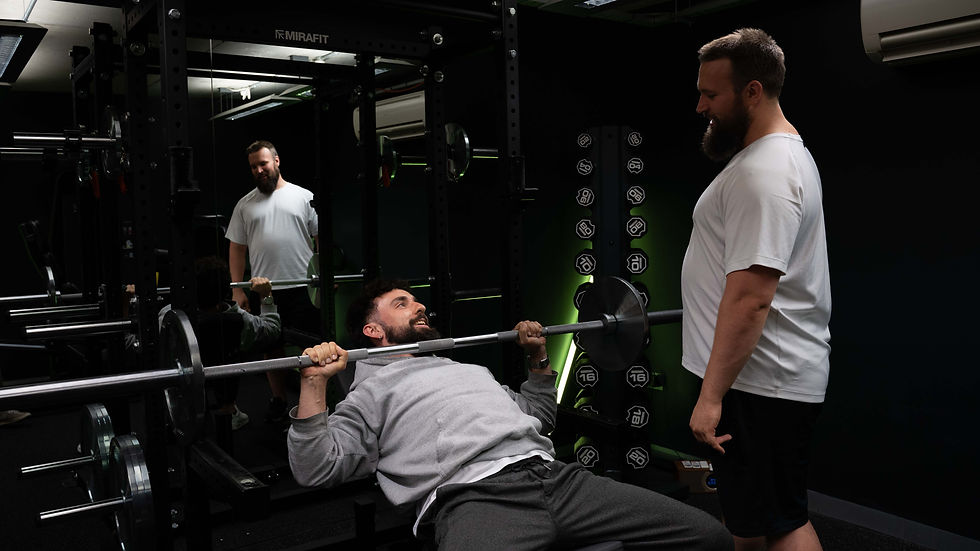
Many people find that working with a coach removes much of the guesswork around exercise.
Instead of wondering what to do, whether they're progressing or if they're doing enough, they have structure and support.
At Insider PT, accountability is a key part of helping clients build sustainable habits. You can learn more about the team and approach on the About Us page.
Focus On The Next Workout, Not The Next Year
If there's one lesson most long-term exercisers learn, it's this:
Motivation is unreliable, but habits are powerful.
You don't need to feel inspired every day.
You simply need a routine that works when life gets busy.
Rather than focusing on being perfect, focus on showing up consistently. Small actions repeated over time are what create lasting results.
If you'd like support building a realistic fitness routine that fits around your lifestyle, explore our Personal Training Plans, read what clients say on our testimonials or contact us to discuss your goals.


Comments